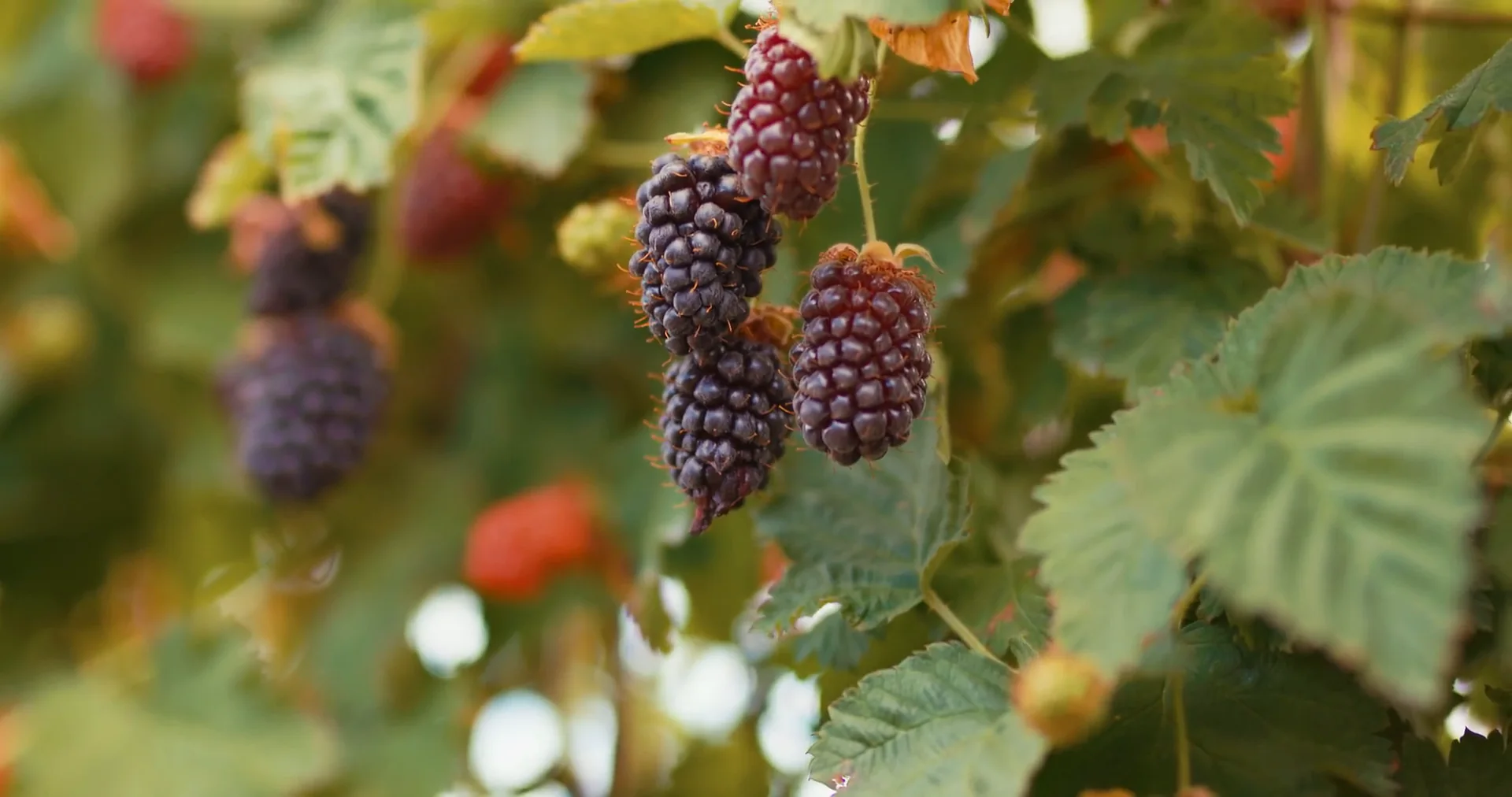
The Boysenberry
The Power of the Boysenberry.
Extraordinary by nature. Fascinating by science.
Nature's Deep Purple Power.
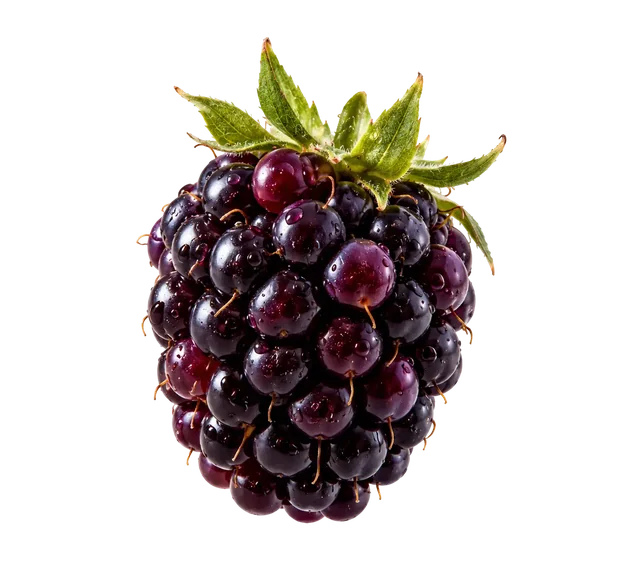
The boysenberry's extraordinary colour comes from anthocyanins, naturally occurring pigments belonging to the flavonoid family. Alongside other polyphenols, these compounds are widely studied for their antioxidant properties and their potential roles in biological processes associated with oxidative stress and inflammation. Boysenberries also provide dietary fibre and naturally occurring vitamins and minerals, contributing to their appeal as part of a varied, balanced diet.

Anthocyanins
Naturally occurring pigments belonging to the flavonoid family.

Polyphenols
Widely studied for their antioxidant properties.

Dietary fibre
Provided naturally by the fruit.

Vitamins & minerals
Naturally occurring, as part of a varied, balanced diet.
Boysenberry Research Snapshot.
Exploring the science behind the fruit.
Independent scientific researchers have investigated boysenberries and their naturally occurring compounds across several areas of nutrition and human health. Research includes studies examining antioxidant activity, inflammatory responses, cardiovascular and respiratory pathways, metabolic function and the wider role of plant polyphenols in wellbeing. While some findings are encouraging, the research remains an evolving field, with evidence ranging from laboratory and preclinical investigations to smaller human studies.
Areas of Scientific Interest
Antioxidant Activity
Research has explored the antioxidant properties of boysenberry anthocyanins and other polyphenols, including how consumption may influence certain markers of oxidative stress.
Heart & Circulatory Health
Scientific interest in berry polyphenols includes their potential relationship with vascular function and cardiovascular wellbeing, although specific clinical benefits from boysenberries remain to be established.
Lung & Respiratory Health
Preclinical research has investigated boysenberry-derived compounds in relation to inflammatory pathways associated with respiratory health.
Metabolic Health
Emerging investigations are exploring boysenberry consumption in relation to energy metabolism and the body's response to nutrients.
Gut Health & Immunity
Dietary fibre contributes to normal digestive function, while broader nutritional research continues to examine interactions between plant polyphenols, the gut microbiome and immune-related processes.
Recovery & Wellbeing
Research into polyphenol-rich fruits has also considered inflammation and physical recovery, although specific benefits from boysenberry consumption require further investigation.
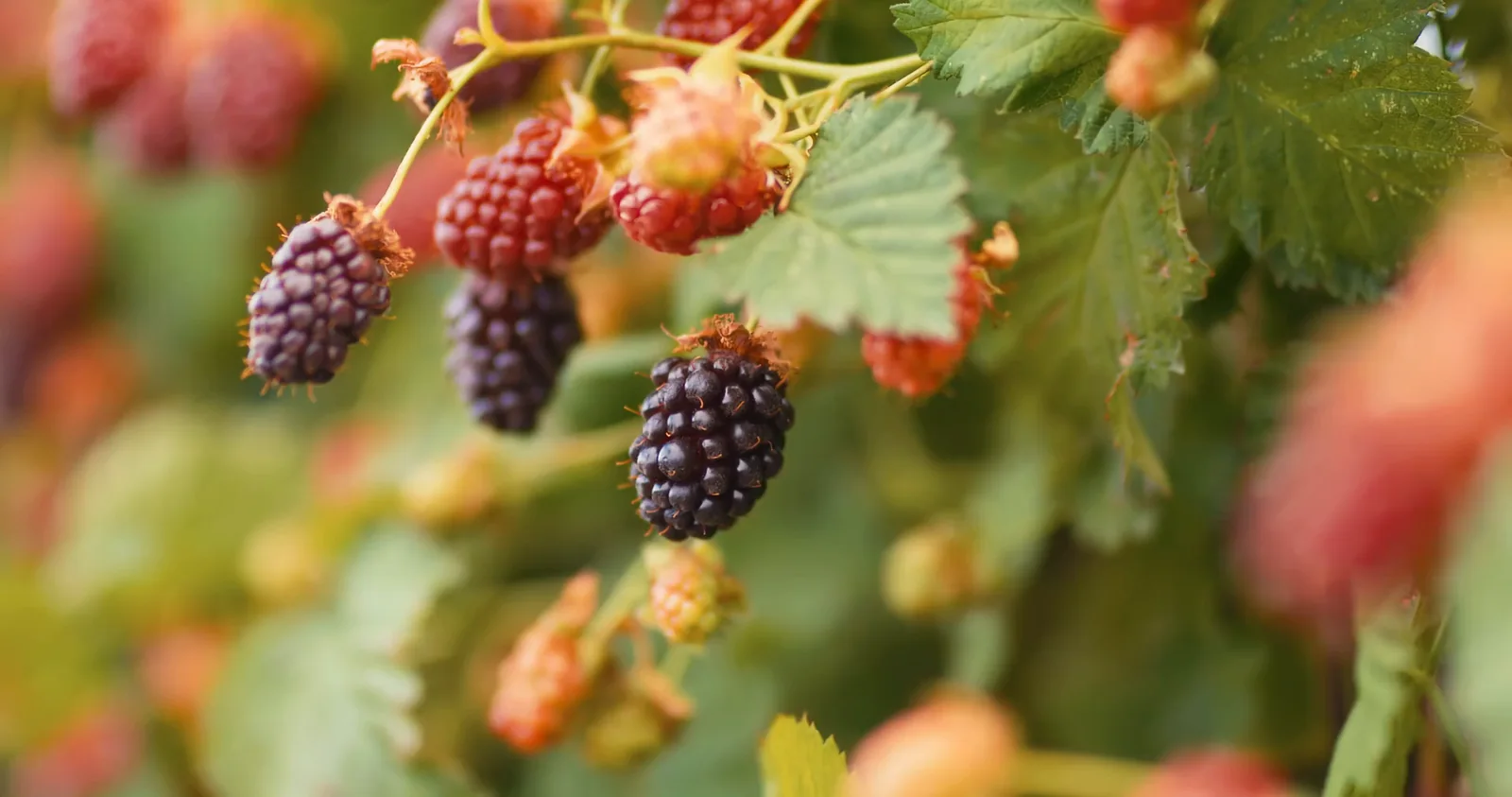
A Remarkable Fruit. An Evolving Story.
The science of plant-based nutrition continues to reveal the complexity of naturally occurring compounds found in fruits and vegetables. Boysenberries are part of this wider scientific conversation, offering an interesting combination of flavour, natural colour, fibre and plant compounds. As further research develops, so too does our understanding of this extraordinary fruit and its potential applications in food, nutrition and wellness.
The more we discover about the boysenberry, the more remarkable it becomes.
Scientific Research & Acknowledgement
The information presented on this page draws on independent scientific research into boysenberries, their naturally occurring compounds and related areas of nutritional science.
Tasman Bay Berries and BOYZEN™ acknowledge the work of the researchers and institutions contributing to this growing body of knowledge. We do not claim authorship of these studies or represent their findings as research conducted by our business. Scientific findings vary in their level of evidence, and research into potential health benefits is ongoing. The information is provided for general educational purposes and should not be interpreted as evidence that boysenberries prevent, treat or cure any medical condition.