The science
The Science of Boysenberries
Naturally powerful. Boysenberries are a rich source of anthocyanins, polyphenols and ellagitannins, compounds that researchers continue to study. The real interest lies in the whole fruit, not one nutrient.
The berry
What is a boysenberry?
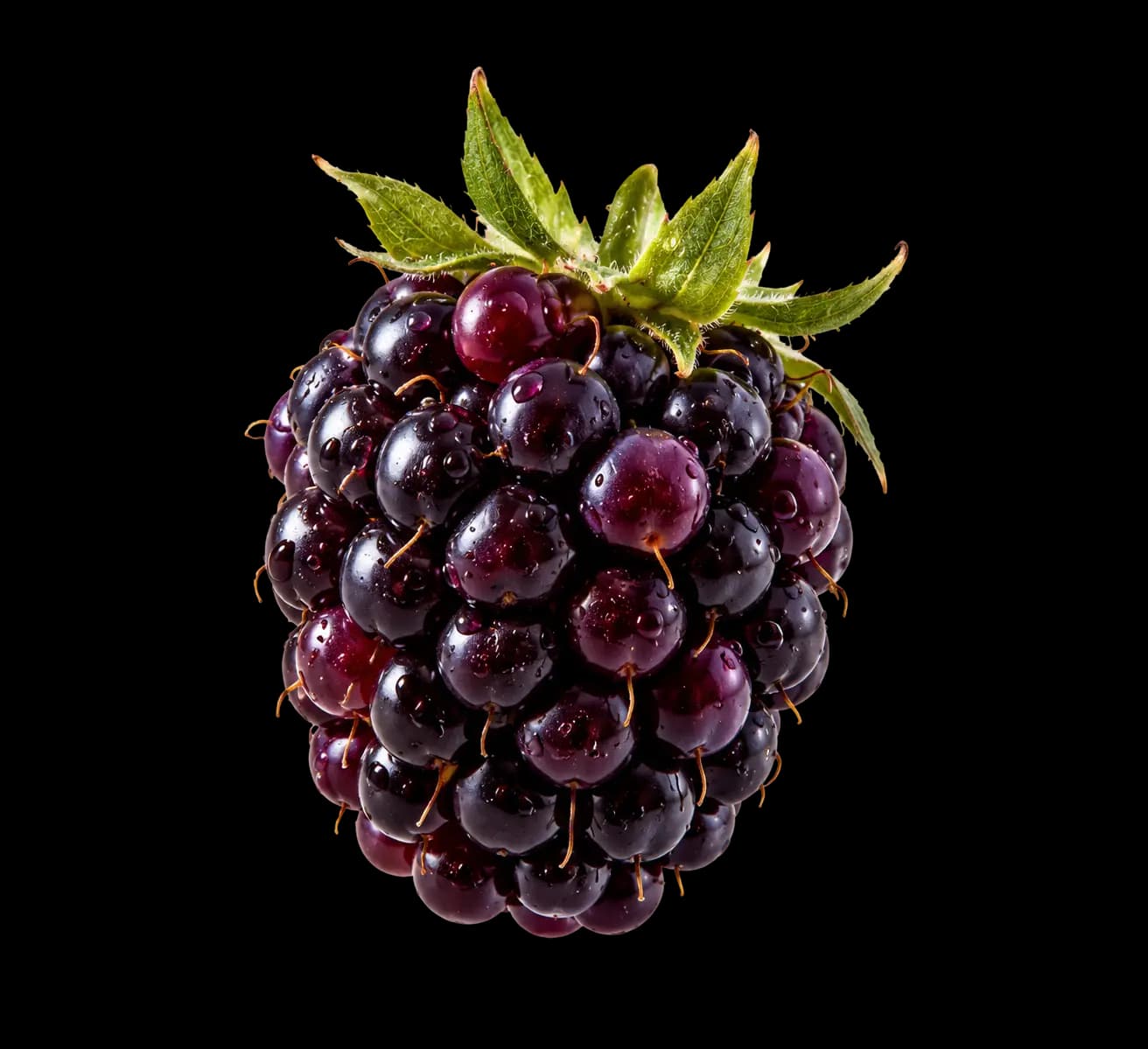
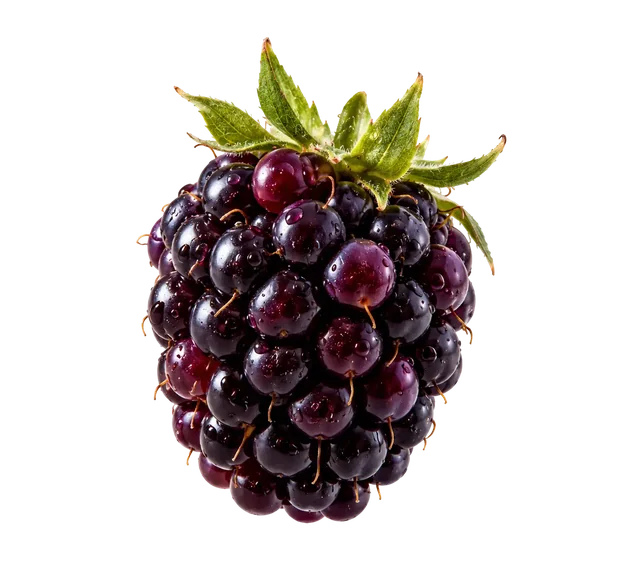
The boysenberry is a hybrid of raspberry, blackberry and loganberry. The fruit is large, soft and deep purple-black, with a sweet-tart flavour and colour that runs right through it. Because it is soft and delicate, it is harder to grow, pick and transport than many berries, which is part of what makes it rare.
Why New Zealand, and why Nelson
Clean air, fertile soils and long summer days suit the fruit.
Nature's bioactive profile
Naturally powerful

Anthocyanins
The natural pigments behind the boysenberry's deep purple colour.

Polyphenols
A large family of plant compounds found throughout the fruit.

Ellagitannins
Polyphenols that researchers study for how gut bacteria break them down.



Dietary fibre
Naturally present in the whole fruit.

Folate (vitamin B9)
A B vitamin that occurs naturally in boysenberries.

Vitamin C
Found naturally in the fruit.
The BOYZEN™ Bioactive Complex
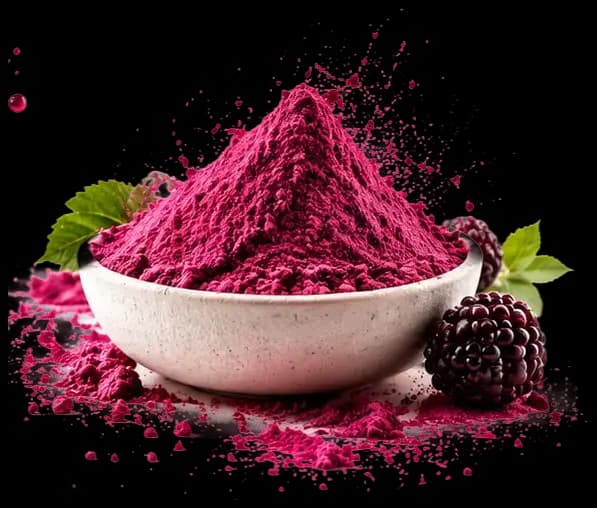
BOYZEN™ Bioactive Complex is our name for the natural combination of anthocyanins, polyphenols and other plant compounds in our fruit. Our processing is designed to keep it intact.
Measured in our freeze-dried powder (typical ranges per 100 g):
- Total anthocyanins
- 1.0–2.0%
- Total phenolics
- 4.0–8.0%
- Ellagic acid
- 50–150 mg
- ORAC
- 25,000–45,000 µmol TE
- Dietary fibre
- 18–25 g
Grown with care, backed by science
Grown by us
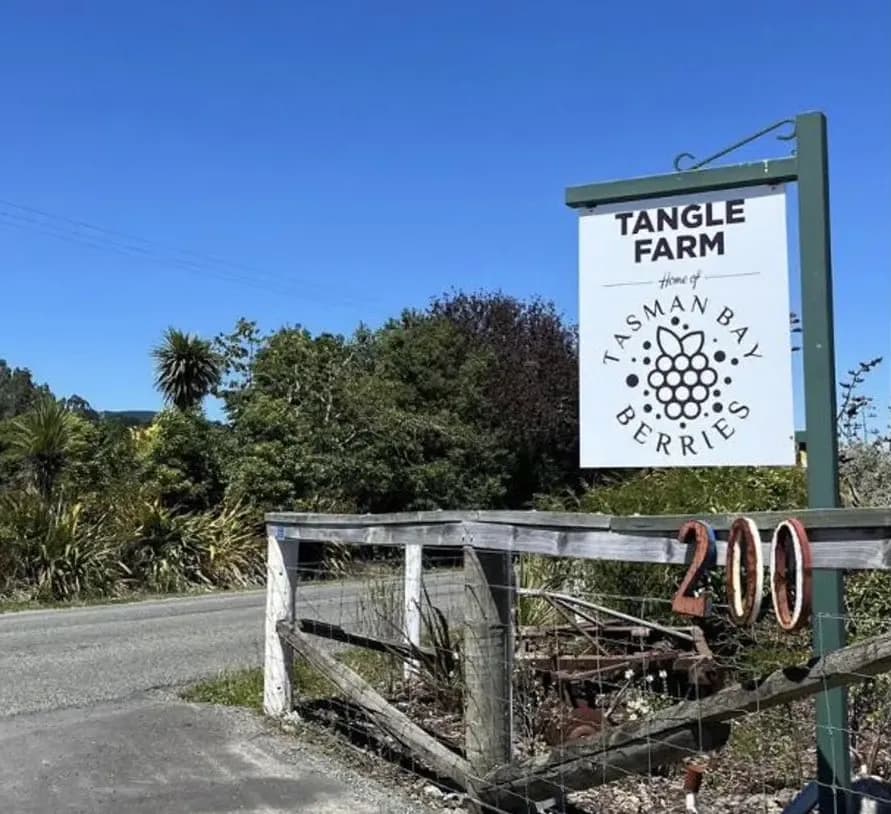
Tasman Bay Berries has grown boysenberries at Tangle Farm in Hope, Nelson, for more than 20 years, harvesting around 300 tonnes a year.